How can we further bolster experiential learning at the University?
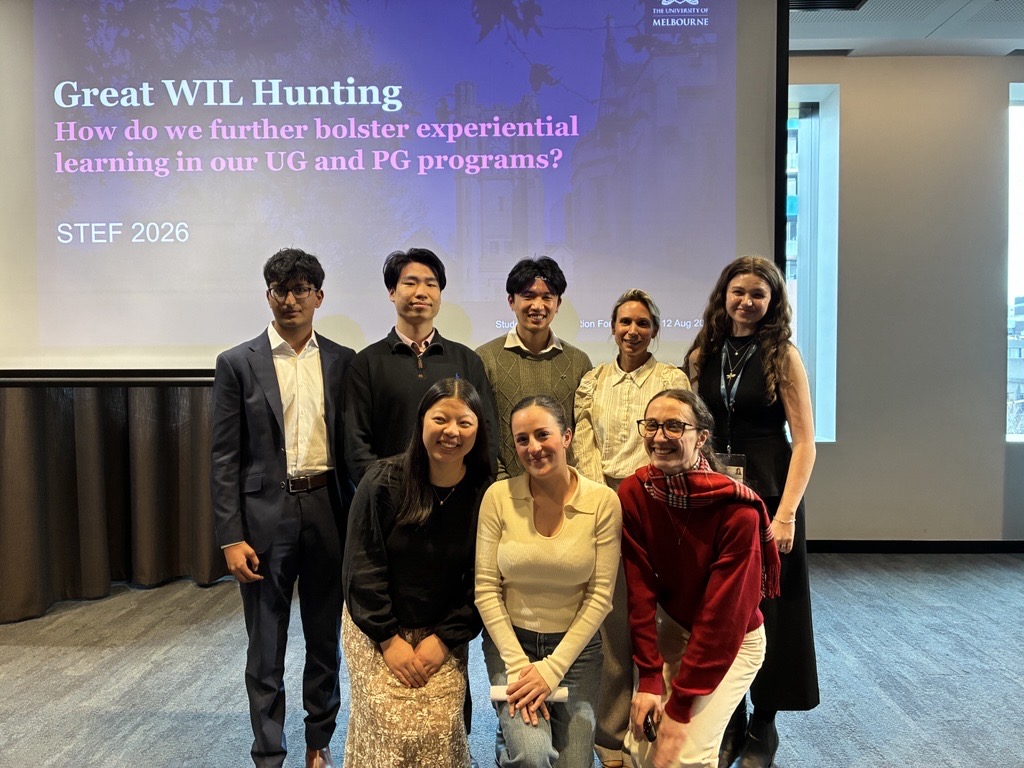
Experiential learning continues to be one of the most valued aspects of the student experience, helping students connect their studies with future careers and build their confidence and professional skills. These work integrated learning (WIL) opportunities, like internships, placements, co-curricular opportunities, industry projects, professional development opportunities and more provide students with authentic experiences that complement and enrich their academic learning.
A recent Student and Education Forum (STEF) brought together around one hundred students and staff to discuss ways the University can support experiential learning and how to help students be prepared and feel confident and comfortable in workplace environments. The forum provided a space for academic and professional staff to hear genuine student feedback on University processes and discuss how we can foster effective and engaging learning for the future workforce.
Student voice was front and centre in the session which featured a lively panel discussion in which five students from five disciplines came together to provide an overview of their experiences. Facilitated by Abbie Moseling, Master of Education student and Students@Work intern (Widening Partcipation), the panellists shared insights to what future opportunities could look like, providing a compelling vision for how experiential learning initiatives could evolve to meet student needs.
The forum opened with reflections from Professor Elizabeth Molloy, Pro Vice-Chancellor (Curriculum), who explored how students are engaging with experiential learning opportunities and the key role these experiences play in supporting learning, professional identity, and career readiness.
Attendees also heard from Dr Elena Balcaite from Faculty of Arts and Associate Professor Jennifer Carter from Melbourne Veterinary School, who shared examples of innovative experiential learning approaches from across the University. Drawing on their work in the Arts and Veterinary Science respectively, they highlighted how thoughtfully designed industry and workplace experiences can help students apply their learning in authentic settings.
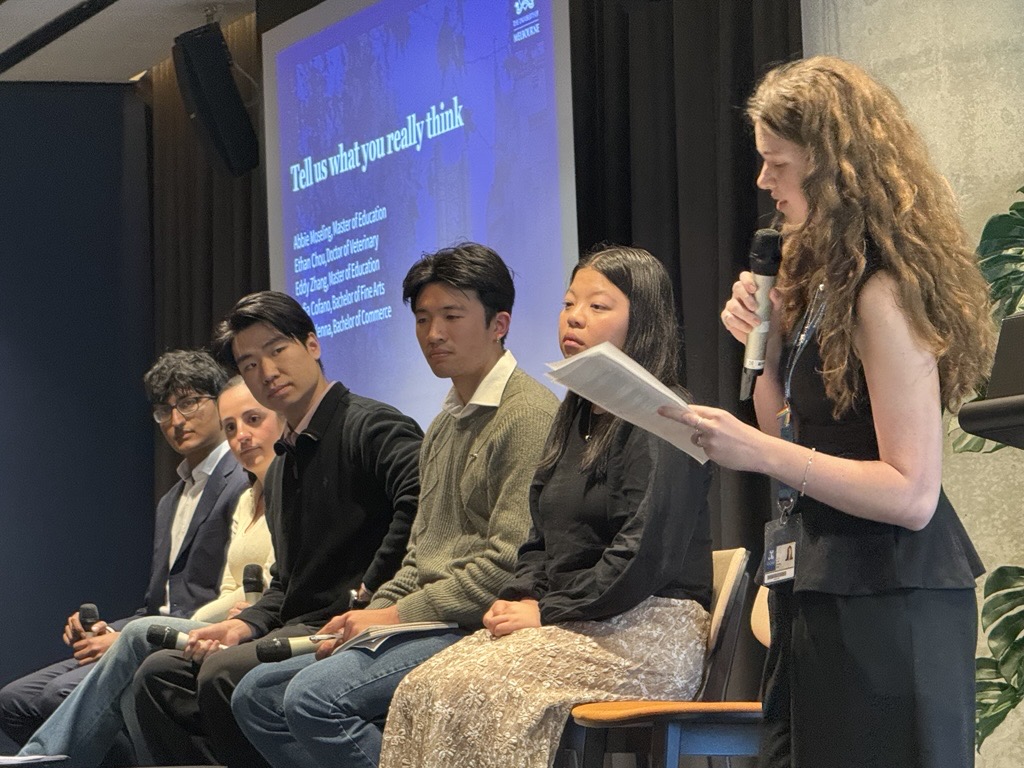
The student panel centred around critical, well-documented issues amongst students partaking in placement - notably, the desire for meaningful workplace experiences, equitable access to opportunities for all students, feeling unprepared, wanting stronger industry partnerships, and how to maintain a healthy work-life balance whilst on placement.
The drive for meaningful workplace experiences was discussed at large, with Eddy Zhang commenting particularly on the necessity of WIL in his experience preparing for the workforce. Each learning opportunity refined his future career goals and seeing his expertise in action helped envision himself as an educational researcher. Experiential learning is essential for students to build academic identity and a sense of purpose; however, not all students have access to equal or similar opportunities.
Social capital is core component of one's career movement. At the University, students are provided opportunities to gain capital through experiential learning, however, different knowledges, connections and experiences are impacted by a student's socioeconomic background. Akash Yenna discussed the difficulties he had with navigating corporate spheres without the same social capital as his peers. Furthermore, he emphasised that the unfamiliarity with social nuances and lack of capital is not a reflection on the student's abilities, but rather, a reflection of a critical gap in current internship practices that can intimidate the most capable of students.
Cindy Wong built upon a similar concern – the self-management of placement allocations and expectations. Cindy expressed that navigating the politics of the workforce alongside study, work, and other life obligations often felt insurmountable. The financial pressure this puts on students only damages their ability to self-regulate and causes unnecessary stress even alongside the newly introduced Commonwealth Prac Payment.
We have all had moments in our academic career where we have felt woefully unprepared – however, there are situations that students cannot predict occurring without intervention or preparation by the University. This is not an issue about gaining critical industry skills, but rather, which experiences encourage productive struggle and which struggles are unnecessary.
Ethan Chou shared a memorable story about receiving a proper scolding from a dairy farmer when he arrived in the wrong clothing, despite not receiving any housekeeping communications. This type of situation is not uncommon amongst students undertaking placements and is well within the scope of unproductive struggle that could be prevented through more holistic preparation from the University, and the upskilling of supervising professionals.
The theme of unpreparedness extended into Sofia Cofano’s comments. She compared her experience between creating films as a student and creating films as part of a “real” set, sharing how as a student, the relationships between crew were less rigid – there was more opportunity to share ideas and co-create. On a real set, Sofia found that students often felt “boxed in” to their allocated position. Students being overexposed to workplace politics was a core aspect of her commentary that deserves its own article – not students upset about having to learn necessary skills, but students impacted by tricky or uncomfortable social norms that they should not need to regulate.
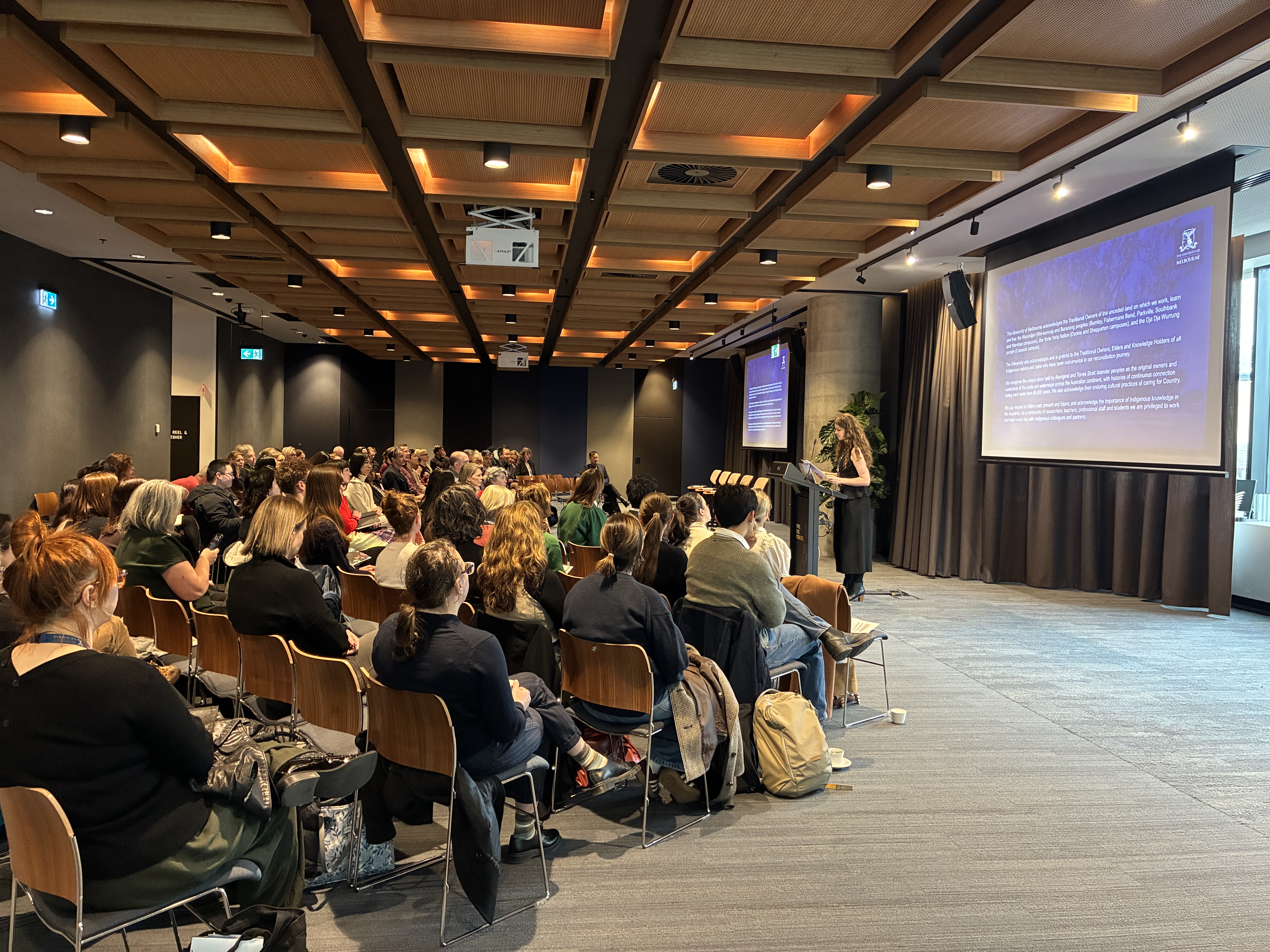
Evidently, our students deeply value knowledge and skills that come from experiential learning. Students are asking for more relevant experiences, and the University is taking this demand seriously. Between the students and academic and professional staff, the scope and opportunity of experiential learning at the University was thoroughly discussed and potential barriers were identified.
The STEF sparked an ever-evolving series of discussions within faculties on the necessity of authentic learning opportunities and how we can best accommodate for student needs. The honest conversations shared at the STEF provided a voice to the necessary adjustments needed as we enhance the learning experience, and ultimately, a glimpse into how experiential learning can uplift all student learning.
Story by Abbie Moseling, Master of Education student and Students@Work intern (Widening Partcipation).