The Grand Tour brought to life through the University’s special collections in a new exhibition
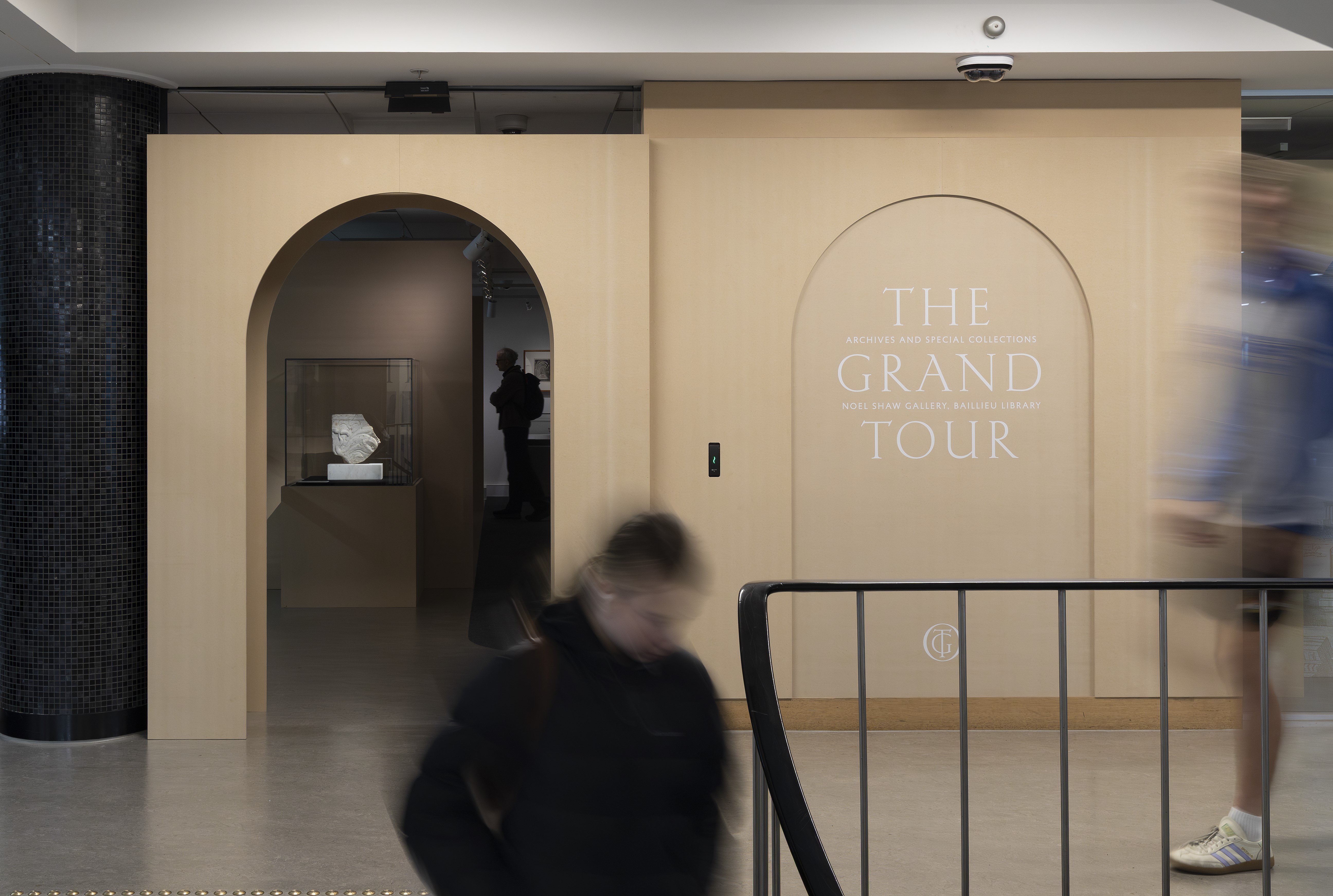
A brand-new exhibition in the Baillieu Library, The Grand Tour, showcases artworks, archives and artefacts from the University’s Archives and Special Collections, exploring the cultural phenomenon of the eighteenth-century Grand Tour.
The Grand Tour explores a cultural rite of passage undertaken on the Italian Peninsula by young British upper-class men seeking opportunities for informal education and secular tourism.
The exhibition frames the Grand Tour from a historical perspective through the presentation of material layered with 500 years of imaginative and myopic visions. It showcases how the Grand Tour appeared and was presented back to those who participated in it.
Associate Director, Archives and Special Collections, Kathyrn Hore said: “The Grand Tour has been more than a year in the making. Drawn primarily from our Prints and Drawings Collection, it also delves into our other special collections and explores a rich vein of research into the history, imagery, culture and impact of the Tour.
Through interpreting this imagery today, audiences will have the opportunity to comprehend the profound and long-lasting global impact the Grand Tour had on the development of European cultural paradigms and institutions.”
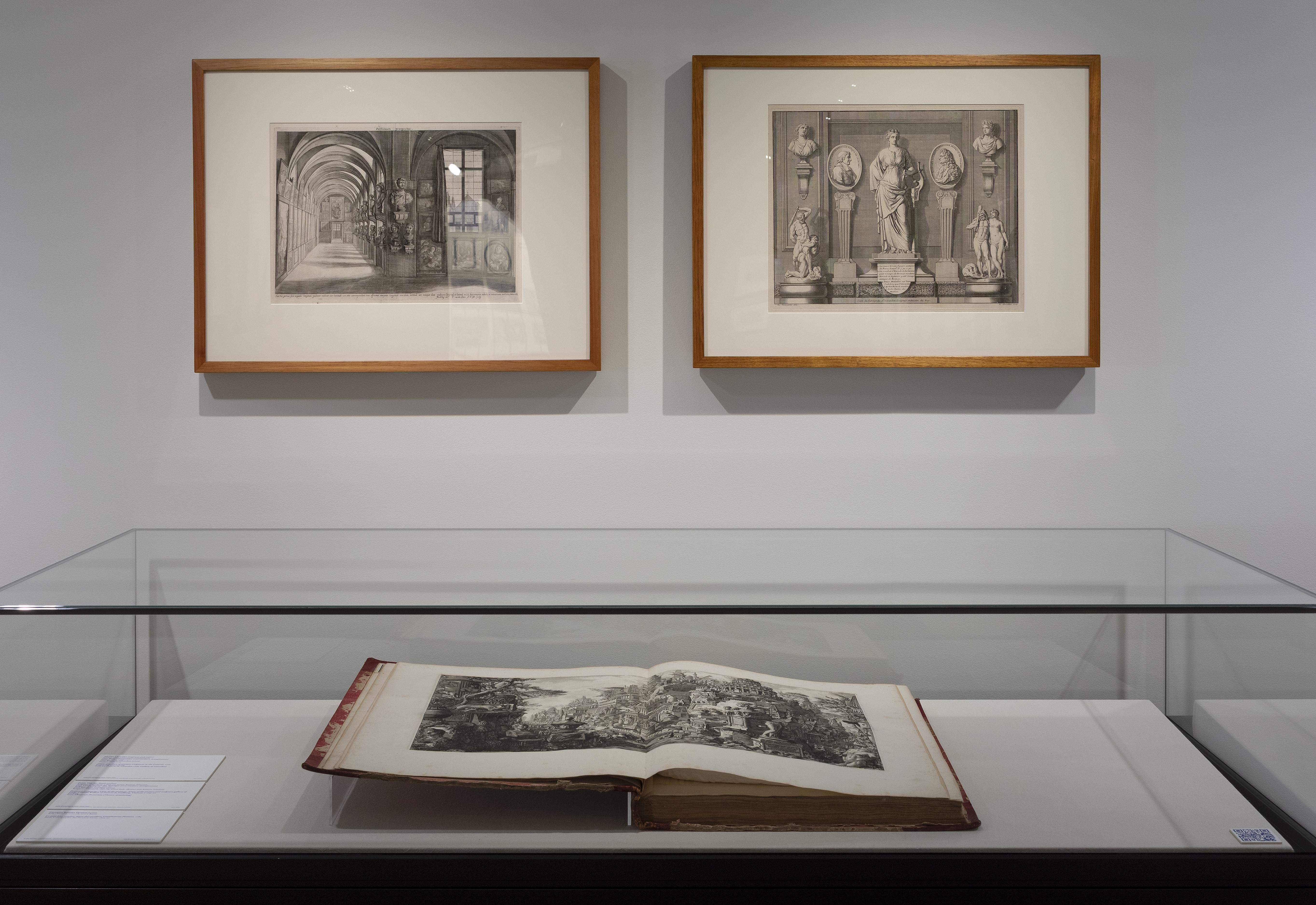
The exhibition acknowledges the legacy of Terence (Terry) Lane OAM (1946-2024), an eminent curator of Australian and European decorative art. Lane compiled an expansive private collection of art, rare books and ephemera during his lifetime and the Grand Tour was an important subject of his extensive collecting activity.
In 2024, Lane gifted a collection of French, British, Italian, Dutch and Flemish prints centred on the Tour to the University of Melbourne. Collected over a 20-year period, and intended for research and teaching, the Terence Lane Collection provides the rich contextual framework on which The Grand Tour now hangs.
Exhibition curator Sally Foster, Curator, Prints and Drawings, said: “Apparent in the overwhelmingly positive response we received from around the University to the content of the Terence Lane Collection, the ideas coursing through this material ran deep. The Grand Tour offers an introduction to a body of work that can be studied, taken apart and reconstructed for years to come.”
Exhibition designer Alex Ward said: “Drawing on architectural references like promenades, porticos and vistas, the layout invites visitors to slow down, look closely, and feel like they’re moving through time. In a way, the exhibition reimagines the gallery as a kind of contemporary ruin, layered, reflective, and full of stories”.
Complementing the exhibition is the newly constructed Vesuvius Apparatus in the Baillieu Library foyer — an early example of multimedia art designed by Sir William Hamilton, British ambassador to the court of Naples and Sicily from 1765 to 1800 and a passionate vulcanologist. Hamilton’s original concept combined art and engineering to simulate the visual drama of volcanic activity. Based on a 1771 watercolour Night view of a current of lava by British-Italian artist Pietro Fabris, the device uses light and motion to animate the lava flows and explosions of Vesuvius.
The exhibition also features material related to Hamilton’s activities in Naples and includes a display pairing items from the Rare Books Collection with volcanic minerals from the FA Singleton Collection from the School of Earth Sciences.
The Grand Tour exhibition is open now and runs until 28 June 2026. Learn more about the exhibition here.