University of Melbourne students build career-ready skills and excel in international Emory competition
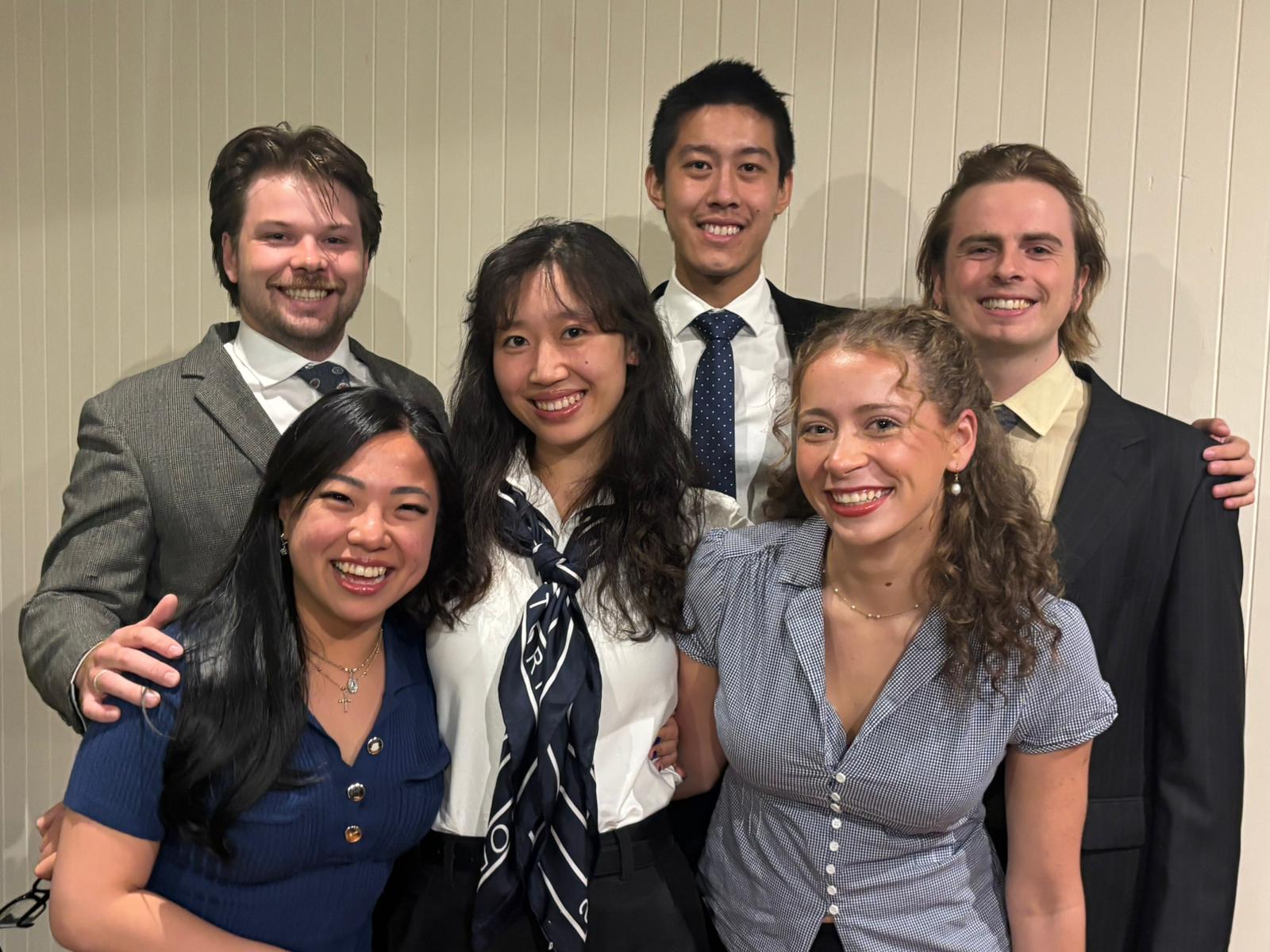
By applying interdisciplinary teamwork and real‑world problem‑solving skills, a student team from the University of Melbourne finished fourth and won the People’s Choice Award at the Emory Morningside Global Health Case Competition.
The Emory Morningside Global Health Case Competition, hosted by Emory University (USA), is held annually in March and brings together students from around the world to tackle pressing global health challenges. For University of Melbourne students to form a team and compete in the Emory competition, they must first compete and perform strongly individually in the University of Melbourne’s Indo-Pacific Global Health Case Competition (IPGHCC). A team is then selected to represent Melbourne at Emory.
This year, the Emory competition was held remotely, so the University of Melbourne team headed down the coast to Mount Martha to spend the week working on their case response.
The team brought together students from across the University, including Faculty of Medicine, Dentistry and Health Sciences students Callum Trainor (Doctor of Medicine), Edward Wu (Doctor of Medicine), Faustina Audrey Agatha (Master of Genetic Counselling) and Luping Chen (Master of Public Health); alongside Faculty of Science students Lachlan Rowles (Master of Data Science) and Kaila Collins (Bachelor of Science) and academic mentor Professor Philip Batterham.
Competing against 31 teams globally, the University of Melbourne team delivered an outstanding performance, progressing to the finals and placing fourth overall. The team also received the People’s Choice Award for best presentation, as voted by fellow participants.
“The Emory competition offers our students a unique opportunity to engage with real-world global health challenges. This year, while the competition was held remotely, our students worked together in shared accommodation in Mount Martha, building a strong sense of collegiality and teamwork. Experiences like this help them develop collaborative skills that will shape their future careers,” said Professor Margie Danchin, Associate Dean International in the Faculty of Medicine, Dentistry and Health Sciences.
This year’s competition case was titled ‘Beyond Calories: Rethinking Food Aid in Crisis’ and centered on addressing nutrition crises amidst humanitarian and climate emergencies, specifically the reliance on ultra-processed foods in a fictional country called Kifaru (based on the Pacific Island nations). The team’s solution was an innovative program that leveraged phytodesalination in conjunction with culturally grounded nutrition programs.
For Kaila, the opportunity to collaborate was incredibly valuable.
“The competition mostly taught me the value of interdisciplinary collaboration. My team brought together perspectives and ideas I could never have formulated alone. Their individual experiences and knowledge enriched my understanding of the challenges and nuances of global health.”
"Working on real-world global health situations was challenging but deeply rewarding", said Luping.
“The case enabled us to navigate real trade‑offs and moments of uncertainty where no perfect answer existed. Integrating climate, health and food systems pushed us to think creatively and holistically. Seeing distinct ideas come together into a coherent, long‑term solution was the most energising part.”
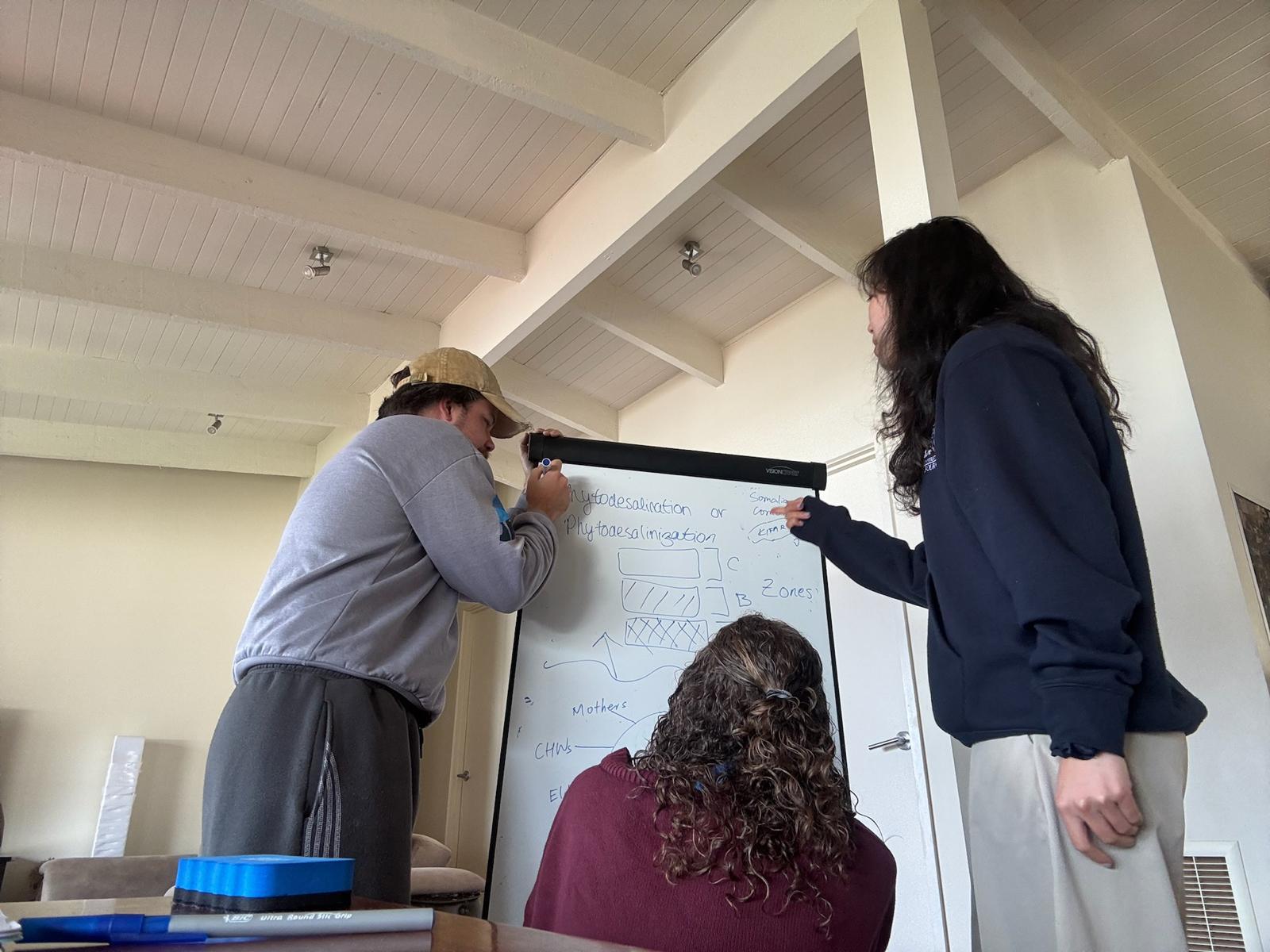
The team also had the chance to refine valuable career skills and get a clearer picture of what professional working life will look like.
“Moving forward, this experience has given me a stronger ability to think strategically about complex, real-world problems, designing solutions that are both innovative and practical. In my future career, I hope to apply these skills in a consulting context, working on large-scale challenges where strategic thinking and interdisciplinary collaboration are essential,” Kaila said.
Aside from an experience that will help shape their professional skills and future careers, the students also made genuine friendships.
“Getting to know my teammates and our mentor, Professor Philip Batterham, was one of the best parts of the competition. I have learned a lot from them and they are now true friends,” shared Callum.
The Indo-Pacific Global Health Case Competition, from which eligibility for the Emory Morningside Global Health Case Competition is gained, is held annually in September and managed by Professor Nathan Grills and Ahelee Rahman. Applications for students open in July. University of Melbourne students, from any area of study and level (undergraduate and postgraduate), can express their interest in applying.