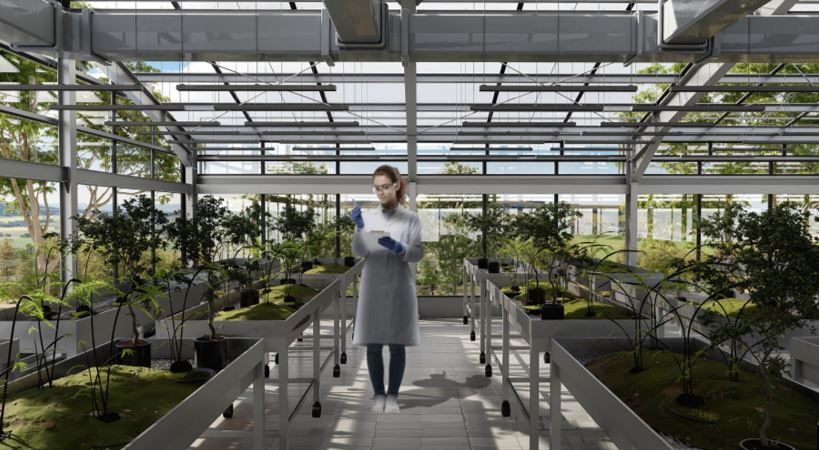
University students lead greenhouse project and gain industry experience
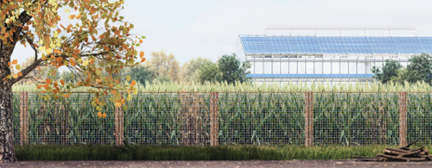
University of Melbourne students in collaboration with CAS Energy have developed a smart greenhouse and living lab concept that addresses real‑world challenges in food security, sustainability and climate resilience.
As part of the University of Melbourne’s Students Consulting on University Translation (SCOUT) initiative a multidisciplinary team of students from architecture, science, engineering, IT and business worked across Semester 1 2026 to create a high-yield smart greenhouse and living lab project.
The greenhouse integrates controlled environment agriculture, renewable energy generation and circular water management. The greenhouse was designed as a living lab, and will continue to support ongoing learning, research, teaching, experimentation and industry engagement.
The project helped students understand and gain experience in how long-term innovation assets are developed and scaled by industry. By working on authentic challenges, students gain professional skills, industry insight and confidence in applying their knowledge beyond the classroom.
Students combined theory with hands‑on practice to design an integrated solution that brings together advanced agriculture, renewable energy and digital systems.
"I utilised digital modelling and rendering software to develop architectural concepts and the project narrative to be presented to potential future partners. Working with the SCOUT team, I established a scope and brief outlining our goals for creating a 'living lab' that will be further advanced by future students on the team," said Angus Harvey, a Master of Architecture student.
For students the project provided direct experience working in multidisciplinary teams, using AI, engaging with industry expectations and delivering tangible outcomes within real constraints.
“Through SCOUT, I contributed to the Smart Greenhouse’s digital intelligence layer, combining digital twin, data architecture, and dashboard design. The experience showed how AI and multidisciplinary collaboration can turn sustainability ideas into scalable, real-world solutions,” said Akanksha Kadam, a Master of Information Technology (Artificial Intelligence) student.
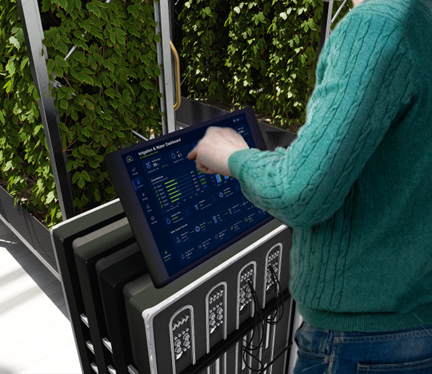
Through the project students designed and connected key systems and created and implemented digital tools and data systems to track real time performance and make decisions about crop growth, water use and energy efficiency. They also explored how the project could be viable in the real world, identifying Greater Shepparton as a strong location for future development.
Building on this work, a new SCOUT team will continue the project in Semester 2, 2026, focusing on technical validation, stakeholder engagement and pathways toward pilot deployment, providing further opportunities for students to contribute to impactful, real‑world innovation.
Organisations can register their interest in SCOUT and explore upcoming opportunities via the SCOUT enquiry form.