University of Melbourne achieves graduate researcher milestones
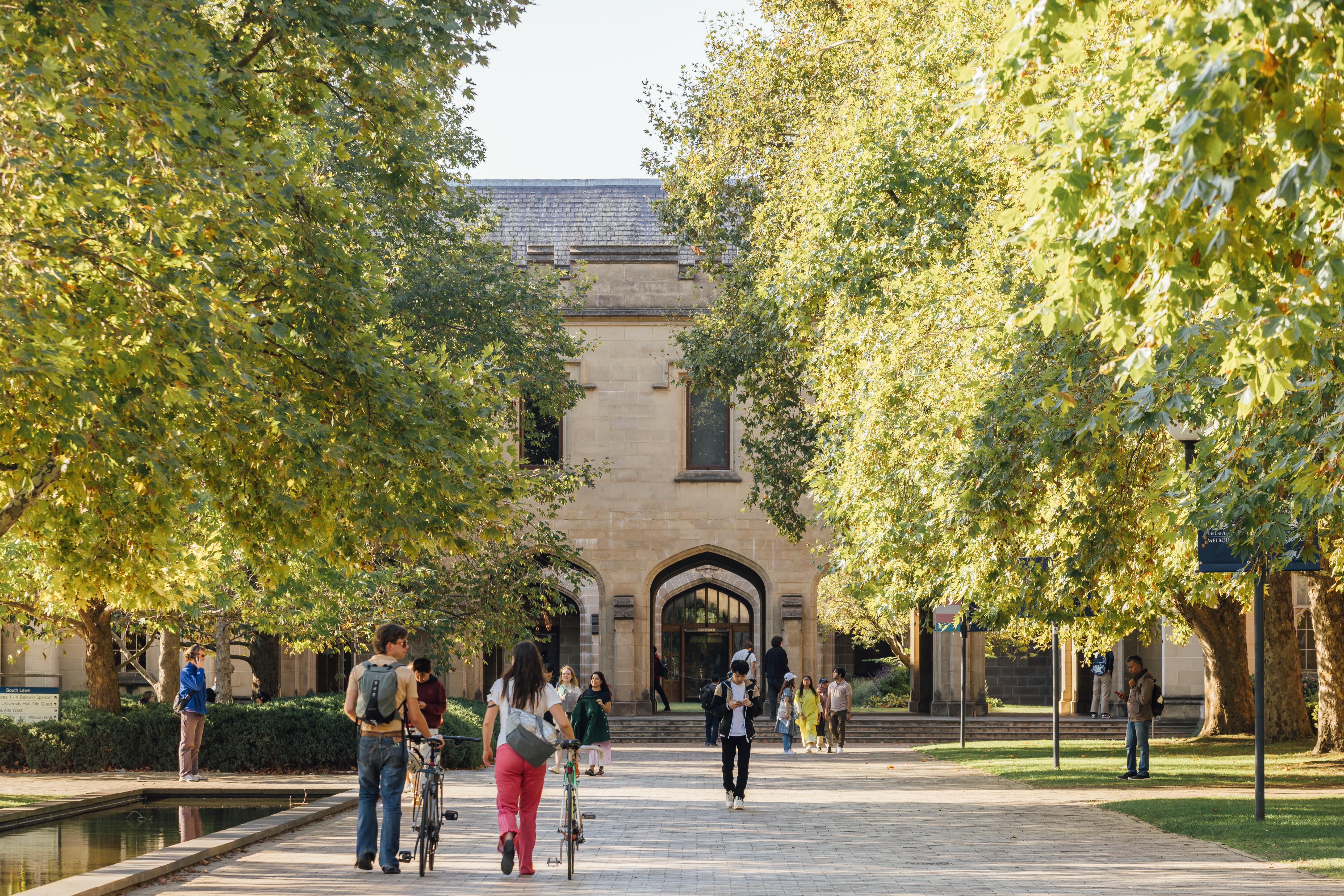
Graduate researchers at the University of Melbourne have submitted a record 1000 theses for examination in 2025. This is the largest number of theses in a single calendar year since PhDs were introduced in 1948.
In addition, there have been 1000 graduate research completions this year. A completion follows the successful assessment and revision of a thesis submission.
Pro Vice-Chancellor (Graduate and International Research) Professor Justin Zobel said these results are wonderful achievements for the University’s graduate researchers, particularly in the challenging global environment.
“Many of this year’s thesis submissions included work undertaken during the disruption of the COVID-19 pandemic,” Professor Zobel said.
“Domestic PhD enrolments have been declining in Australia, but we recognise the importance of graduate researchers for their importance to Australian research, for their contributions as members of the University community, and for the skills they take into future careers across industry, government and business.
“This year’s successes are a testament to the resilience and dedication of our graduate researchers, and the support they received from their supervisors and peers at the University.”
Graduate researchers are central to the University’s Advancing Research 2030 strategy, which aims to recruit the best aspiring researchers, enhance their experience and prepare them for an expansive range of careers.
“Graduate researchers will make significant contributions to the University’s impact accelerators, which bring together interdisciplinary expertise and partners to address pressing global issues,” Professor Zobel said.
Graduate research is regularly featured in Pursuit, and many researchers who submitted their thesis in 2025 contributed articles during their studies. Here are some that are aligned with the University’s impact accelerators:
- Climate sustainability and ecosystem health: Mikaeylah Davidson investigated selective breeding for disease resilience in the critically endangered southern corroboree frog.
- Democracy, civil society and inclusion: Jennifer Ervin studied gender inequality in Australia, specifically examining unpaid labour, precarious employment and mental health.
- Health futures: Emma Phillips explored the influence of virtual reality on adolescent empathy.
- Indigenous research and knowledges: Cam Raw investigated the role of culturally responsive One Health programs in treating and controlling parasites that affect both dogs and people in remote Aboriginal and Torres Strait Islander communities.
- National security: Niels Fraehr explored an innovative approach to simulating flood behaviour that is 1000 times faster than existing methods.
- Transformative technologies: Vincent Liu described the behaviours of autonomous systems, offering potential to improve the reliability and safety of modern autonomous systems.
Find out more about graduate research at the University of Melbourne.