Researchers celebrated in NHMRC’s annual top 10 publication
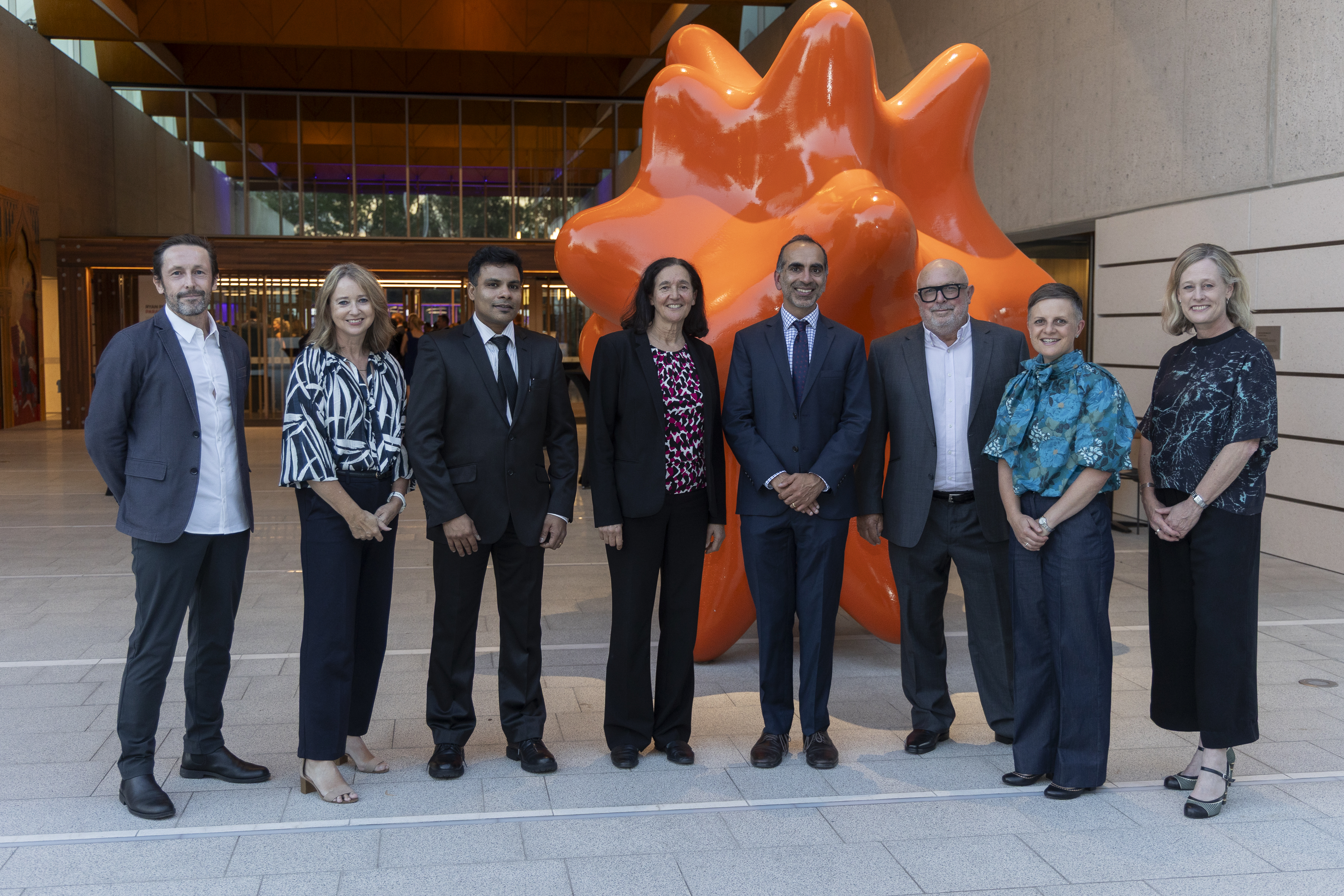
Research into preventing anaemia and improving PTSD treatments from the Faculty of Medicine Dentistry and Health Sciences has been celebrated in the National Health and Medical Research Council’s (NHMRC) annual 10 of the Best – 16th Edition.
The flagship publication celebrates the calibre and achievements of Australia’s health and medical researchers who have been supported by the NHMRC.
“Funding from the NHMRC is highly competitive, and so for these researchers to be included in the top 10 is a remarkable achievement. It’s fantastic to see the impact of their work that continues to benefit our community and people around the world,” said the faculty’s Associate Dean Research, Professor Matthew Watt.
Professor David Forbes and Associate Professor Lisa Dell conducted Australia’s largest treatment trial of PTSD in military personnel and veterans. Their research found that intensive treatment for PTSD was successful, meaning that patients with even only brief periods of time available could still benefit. The researchers compared weekly, prolonged exposure therapy and found it was just as effective as daily, intensive treatment over a period of two weeks.
"We are deeply honoured and grateful to the NHMRC for this acknowledgment of our research. For us, this is not just a recognition of our research but of the real-world impact such research can have in improving the lives of military members, veterans and the community more broadly suffering from PTSD. We hope this inspires continued innovation in the field of PTSD research," said Professor Forbes and Associate Professor Dell.
Professor Sant-Rayn Pasricha and Professor Beverley-Ann Biggs’s project focused on defining the impact of universal iron interventions in young children: a randomized controlled trial in rural Bangladesh. It found that the treatment for anaemia and iron deficiency at the time showed no effects compared with the placebo. This research continues to inform global anaemia policy, and World Health Organization guidelines.
“I’m very proud to have been part of this incredible partnership between the University of Melbourne, WEHI and International Centre for Diarrhoeal Disease Research, Bangladesh to implement this wonderful trial that has answered a critical question for global health and nutrition policy. We appreciate the support of NHMRC for this project,” Professor Pasricha said.
“I am thrilled by the recognition of this important project. It was delivered by a wonderful, collaborative team, and the results will inform global policy development and demonstrate the critical role of large adequately powered randomised controlled trials in global health,” Professor Biggs added.