Twelve University of Melbourne researchers awarded Cancer Research Fellowships
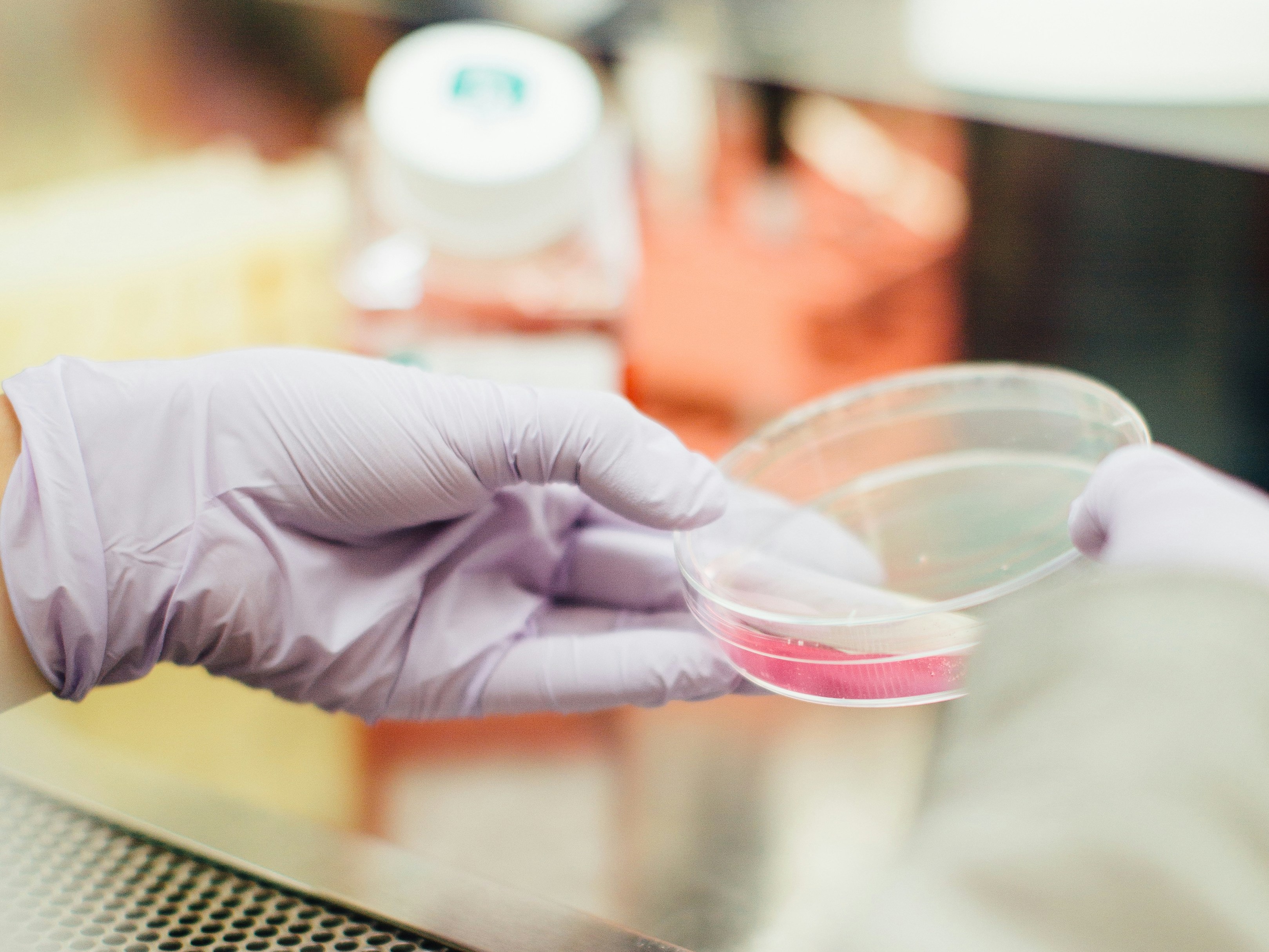
Twelve University of Melbourne researchers have received fellowships through Cancer Research Fellowships Victoria, a joint initiative between Cancer Council Victoria and the Victorian Government.
Cancer Research Fellowships Victoria supports early and mid-career researchers to undertake important work that improves cancer prevention, detection, treatment and care.
The fellowships are designed for researchers who have not previously received major funding, giving them the opportunity to build their careers and become future leaders in cancer research.
Two fellowship streams are available for both early and mid-career applicants, one focused on biomedical research and the other on nonbiomedical research.
2025 early-career fellowship recipients:
- Dr Jesse Balic, University of Melbourne and Peter MacCallum Cancer Centre: Proteome-wide discovery of effectors that can restore function of mutant p53 in non-Hodgkin Lymphoma
- Dr Sophie Chima, University of Melbourne: Optimising early diagnosis of cancer in general practice: leveraging ambient AI for decision support
- Dr Rebecca Morris, University of Melbourne: Novel immunotherapeutic approaches to prevent TP53 mutated acute myeloid leukemia
- Dr Christina Scheffler, University of Melbourne: Identification of novel epigenetic gene targets to enhance the anti-tumour efficacy of CAR T cells
- Dr Kevin Sek, University of Melbourne: CRISPR engineering of precision CAR-T cells for enhanced efficacy and safety against solid cancers
- Dr Thiago Maass Steiner, University of Melbourne and Peter MacCallum Cancer Centre: Harnessing CD4+ T cells to improve treatment responses in Diffuse Large B-cell lymphoma
- Dr Bonnie Werner, University of Melbourne: Assessing antibodies for their probability of clinical utility in high-grade serous ovarian cancer
2025 mid-career fellowship recipients:
- Associate Professor Driss Ait Ouakrim, University of Melbourne: Improving uptake and precision of Australia's National Bowel Cancer Screening Program
- Dr Ankit Dutta, University of Melbourne and Peter MacCallum Cancer Centre: Monitoring Immune Cell Dynamics and Treatment Response of Breast Cancer Using Cell-free DNA
- Dr Andrea Di Pietro, University of Melbourne and Peter MacCallum Cancer Centre: Targeting gene networks in T cells and tumour cells driving immunotherapy resistance in melanoma
- Dr Michelle Peate, University of Melbourne and Royal Women's Hospital: Evaluating a Patient-Driven Stepped-Care Platform to Improve Menopause Care After Cancer
- Associate Professor Chris Schilling, University of Melbourne: Optimal timing of palliative care for people affected by cancer