Our Estate

Estate Sustainability


Why estate sustainability matters

An environmentally sustainable estate is fundamental to a resilient university. We need to ensure our buildings and landscapes continuously evolve to support contemporary teaching, learning, research, and community needs while also protecting local ecosystems and reducing our environmental footprint.

Our approach to sustainable estate planning

Managing an evolving campus requires a disciplined planning framework. Our approach to sustainable estate planning is anchored in the strategic objectives outlined in Guiding our Estate and enabled by the long-term vision in the Estate Master Plan.

Overarching priority

Responding to student, staff, researcher and partner needs

We evolve our estate so it is shared equitably and actively used, making the most of the environmental resources already invested in our campuses.


Preferred development option

Renewing and adapting existing buildings

Where existing buildings allow, our priority is to retain and refurbish them or adapt them for new uses, preserving historical character and embodied carbon. The Stables at our Southbank campus, the Baillieu Library Special Collections, and the Student Precinct at our Parkville campus are recent examples.


Secondary development option

Building sustainably

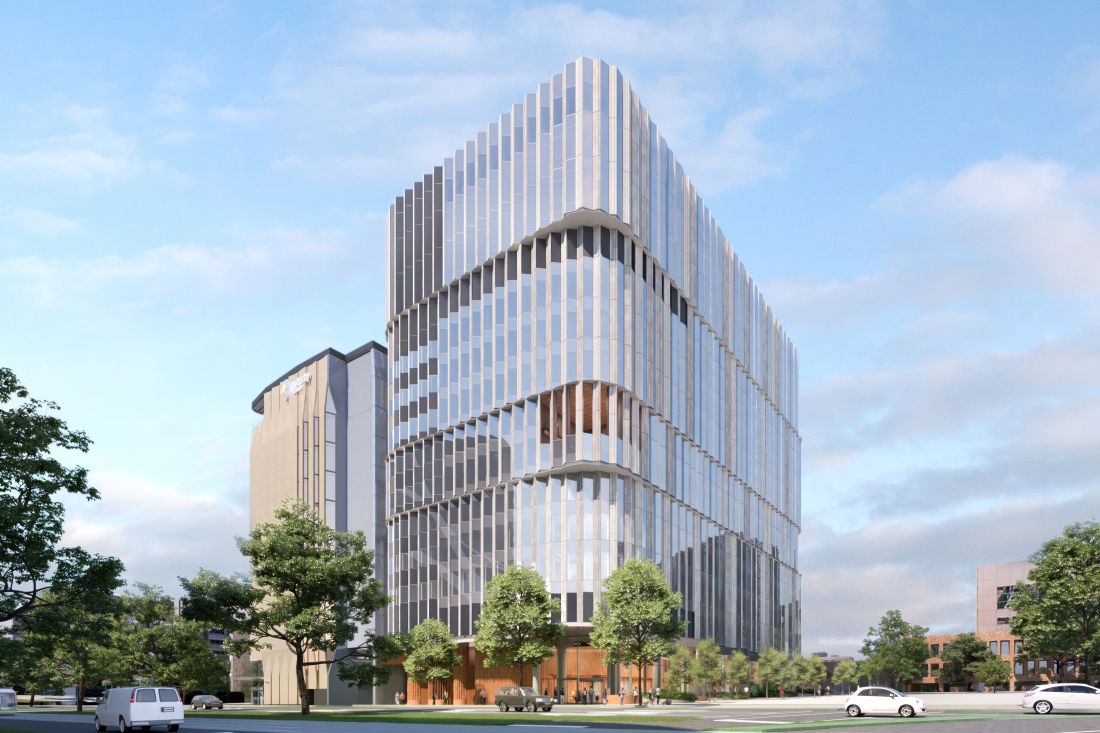
When we need a new building to deliver Strategy 2030: Resilience, we design it to meet the targets in the University's Sustainability Framework , enforced through our Design Standards. Major developments such as the Glyn Davis Building and Melbourne Connect each hold a 6-Star Green Star rating.

Construction material reuse in practice

When asset replacement is required, we follow a structured circular economy program to recover materials and divert resources from landfill.
Landfill diversion rates

The early enabling works for the new Australian Institute for Infectious Disease (AIID) successfully achieved a 90% landfill diversion rate, while the Brownless Library project successfully diverted 98% of structural materials from landfill. The University was recognised as a finalist in the Green Gown Awards Australasia for these achievements.

Precinct material swaps

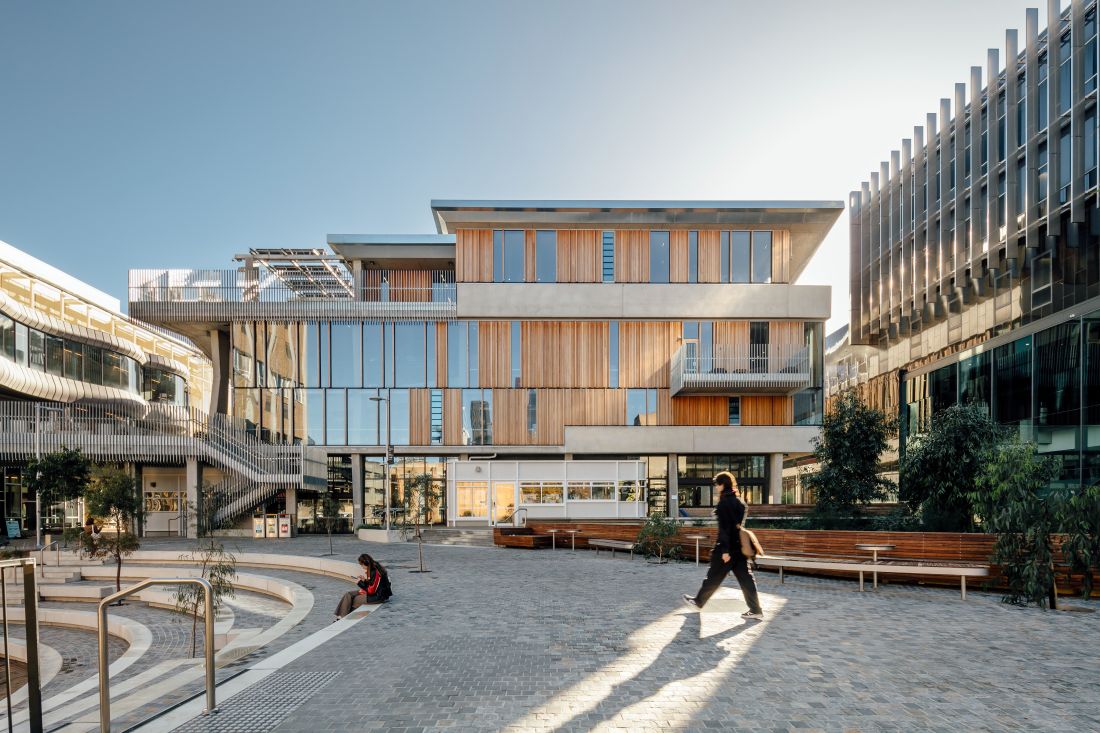
During construction of the Student Precinct, project teams crushed legacy bricks from the Alice Hoy Building to create aggregate paving for the Student Pavilion and successfully routed cleared plants directly to local animal habitats, including donating cleared bamboo to the elephants at Melbourne Zoo.
Furniture reuse

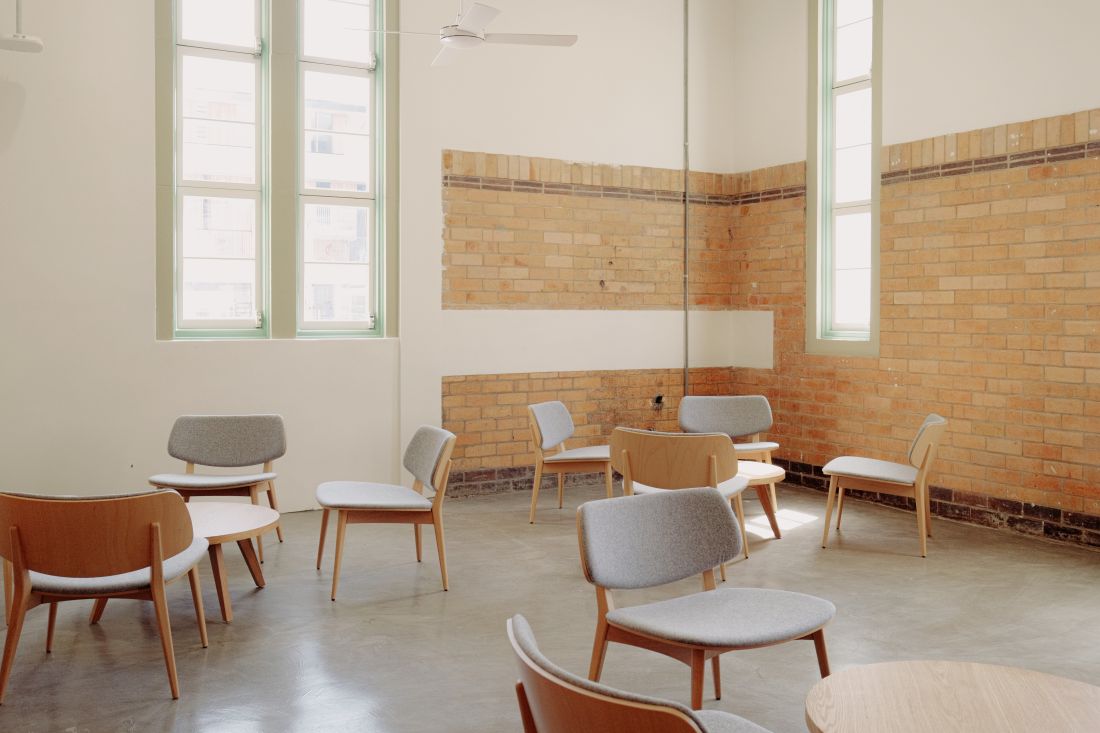
The Furniture and Equipment Reuse Service inventories surplus desks, chairs, and laboratory equipment. It relocates thousands of items internally each year, preventing functional assets from entering the waste stream and providing external donation options for community groups.

We work to limit our impact on shared environmental resources and protect surrounding urban ecosystems through:

The University’s campuses run on 100% renewable grid electricity, sourced through long-term wind purchase agreements, on-campus solar installations and additional purchases.*

*Calculating our renewable electricity supply

In accordance with global carbon accounting guidance and standards (the Greenhouse Gas Protocol), this 100% renewables initiative target addresses our Scope 2 emissions – which are the indirect emissions generated from electricity purchased to power our buildings and operations.

We match 100% of this consumed electricity by purchasing clean energy from Victorian wind farms (via Power Purchase Agreements), expanding our own rooftop solar networks, and buying verified Large-scale Generation Certificates (LGCs) to offset any remaining grid reliance.

We are also developing pathways to phase out our Scope 1 emissions overtime – the natural gas used on-site for thermal heating and hot water and emission generate from fleet vehicles.

We are systematically replacing legacy gas heating infrastructure across the estate with high-efficiency electric heat pump systems to lower direct operational emissions.

We integrate sustainable water design into the estate to reduce our consumption of mains potable water. This includes continuing to explore opportunities to maximise use of our Parkville campus purple pipe** recycled water network for non-potable uses, as well as capturing localised rainwater runoff via underground storage infrastructure (such as the 750 kL harvesting tank beneath the Glyn Davis Building).

**The distinctive colour of a purple pipe indicates that the water in the line is recycled or reclaimed and is safe for specific uses but not for drinking.

As a member of the global Nature Positive Universities Alliance, we manage our grounds to support local biodiversity corridors, which includes targeted ecological management within the historic System Garden.

As part of working towards a plastic-free campus, the University has installed commercial washing hubs inside our Student Precinct retail spaces. This infrastructure allows food retailers and consumers to utilise reusable containers, preventing the use of hundreds of thousands of single-use items annually.

Our Estate Master Plan integrates high occupancy campus facilities with local transit networks to prioritise accessibility and reduce vehicle emissions. A future example of this integration is the proposed Central Education Building – a new hub for teaching and student facilities – which is strategically planned to sit adjacent to the new Parkville Station. To seamlessly connect public transit with active commuting, our campus infrastructure also features more than 2,000 open-access bicycle parking spaces.

How We Partner for Environmental Success

To achieve our ambitious sustainability standards, our commercial procurement processes for medium to large construction projects embed environmental and circular economy selection criteria. Partners, contractors, and consultants working on the University estate adhere to our Design Standards. These standards ensure that external partners actively uphold the University’s sustainability commitments.

Explore the design standards

Talk to us

Please speak to our Estate team if you have any questions or queries.

Get in contact