Building 193 reimagined for the next generation of engineers
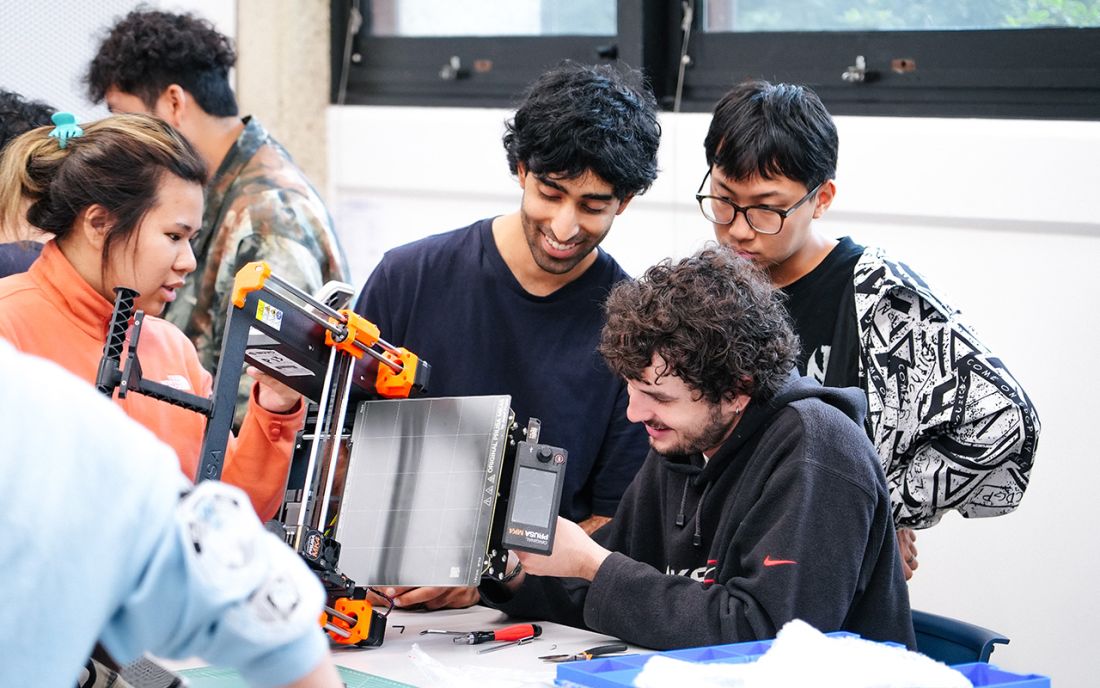
Students and staff returned to a transformed Building 193 in Semester 1, 2026, with revitalised teaching, learning and collaboration spaces supporting the Faculty of Engineering and Information Technology’s (FEIT) commitment to educational excellence, innovation and sustainability.
Building 193 was adapted and refurbished to meet the evolving needs of students and researchers. The project demonstrates how, where a building's structure and condition allow, renewing existing infrastructure can create contemporary, high-quality learning environments while preserving valuable, embodied carbon and reducing waste, supporting the University's commitment to sustainable campus development.
Designed for contemporary learning
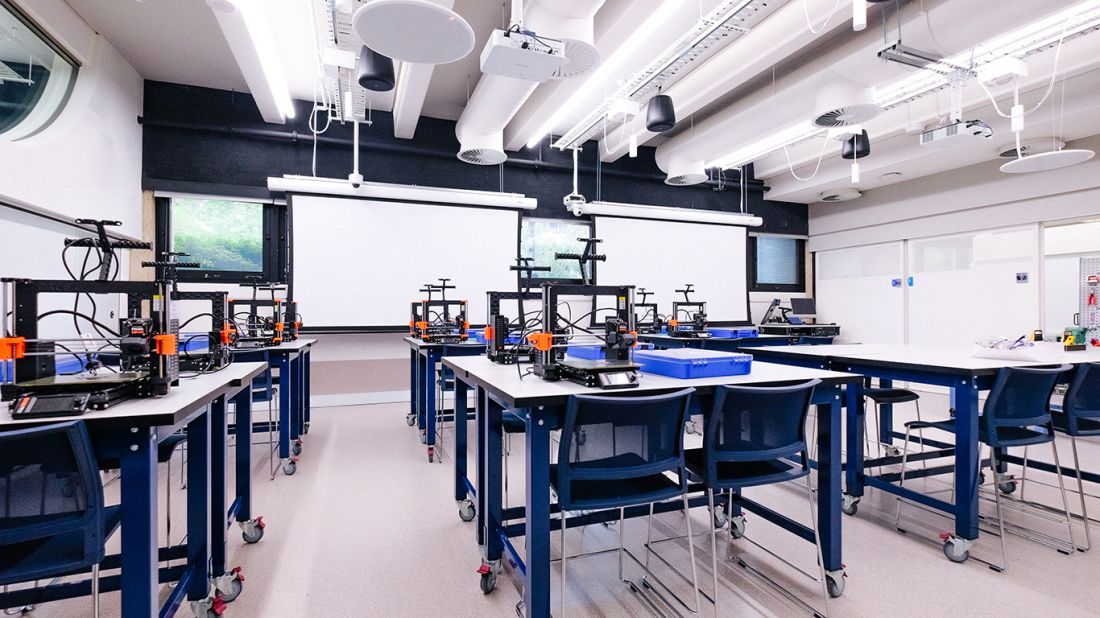
The refurbishment has transformed Building 193 into a vibrant, flexible environment that supports active learning, collaboration and hands-on experimentation. Designed to foster creativity, problem solving and real-world application, the new spaces encourage FEIT coursework students to work together, test ideas and develop practical skills that will prepare them for future careers.
New specialist facilities include:
- The EXPLORE studio – a flexible project space where students can collaborate, develop ideas and work beyond the constraints of a traditional classroom.
- The ASSEMBLE studio – a dedicated space for building, testing and demonstrating devices, including robots and mechanical systems.
- The FABRICATE studio – supporting small-group prototyping and manufacturing activities using a range of materials and components. Its modular, prefabricated building system allows the space to evolve over time, providing the agility and adaptability needed as teaching and research requirements change.
- A new User Experience (UX) Lab – providing specialist facilities for teaching and research into how people interact with digital technologies through usability testing, design workshops and collaborative research.
The refurbishment also celebrates the building's engineering heritage. Temperature, humidity and light-controlled display cabinets provide a dedicated home for special exhibitions showcasing the history of engineering, connecting today's students with the Faculty's legacy of innovation.
Together, these environments support the University's education vision and FEIT's 2035 Education Aspiration to prepare students to solve society's challenges through research-informed, industry-engaged experiential learning. By creating spaces where students learn through collaboration, experimentation and discovery, the building strengthens the connection between teaching, research and industry.
Connecting with campus
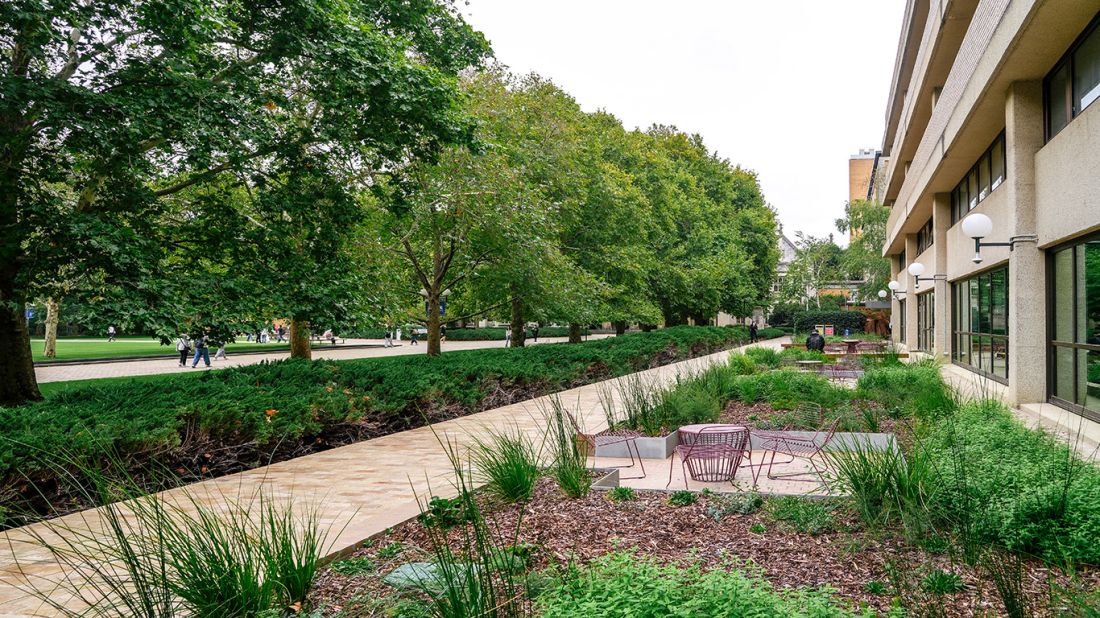
One of the most significant physical transformations is the new South Lawn Terrace, creating a welcoming outdoor space overlooking the University's iconic South Lawn. Designed as an extension of the learning environment, the terrace provides students and staff with a place to study, meet friends, collaborate or simply enjoy lunch while connecting with one of the University's most recognisable heritage landscapes. The terrace also reflects the project's commitment to sustainability. Existing bricks were carefully retained and combined with recycled bricks sourced from elsewhere on campus, while the heritage Raymond bench seating has been reimagined and repurposed. Native planting has been selected to enhance biodiversity and attract local wildlife, creating a greener, more resilient outdoor environment.
Sustainable by design
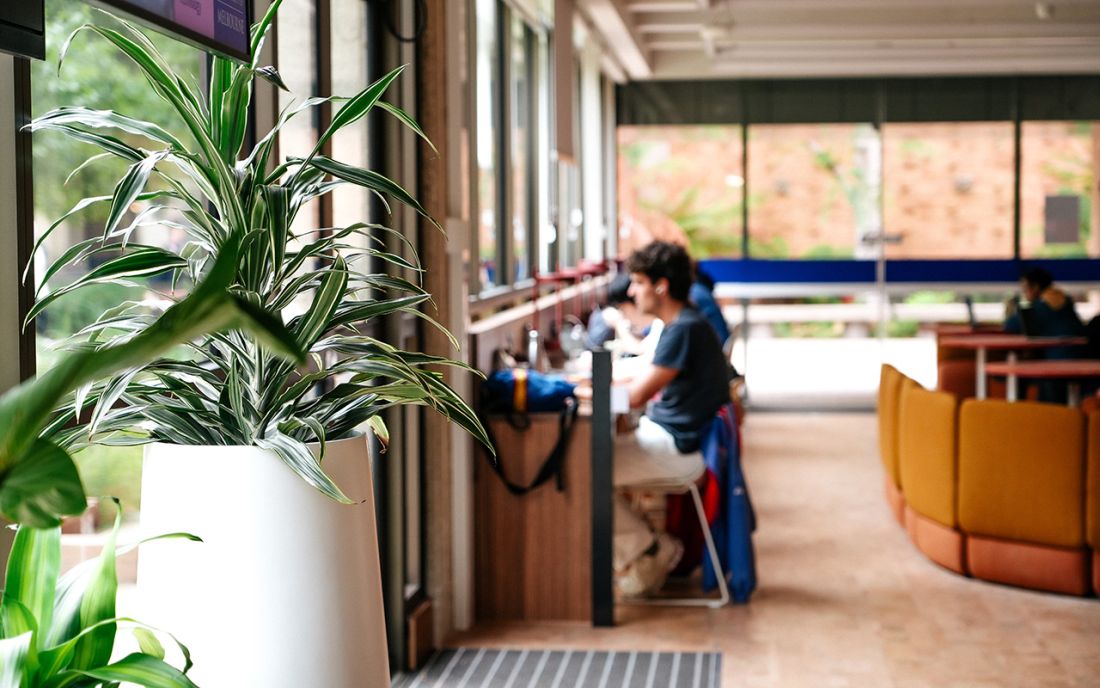
Sustainability was embedded throughout the refurbishment, demonstrating how thoughtful investment in existing buildings can deliver modern, future-ready learning environments while reducing environmental impact.
Circular economy principles guided the project, with existing materials retained and reused wherever possible and furniture refurbished to extend its life. Natural cork flooring was also selected for its durability and low environmental impact, providing a renewable surface that can be resurfaced and reused for many years. The fit-out also incorporates recycled materials including textiles recovered from end-of-life clothing which was used to produce recycled plastic tabletops. Refurbished and repurposed furniture was used across the building to reduce demand for new raw materials., including a bespoke student bench to showcase how sustainable design can be integrated into everyday learning spaces.
By bringing together contemporary learning environments with sustainable design, the revitalised Building 193 enhances the student experience while supporting the University's long-term vision for a connected, innovative and environmentally responsible campus.